

Running a small business means making fast decisions with limited resources. When a dispute lands in your lap — a partner disagreement, an employee complaint, a vendor gone sideways — the last thing you can afford is a $90,000 legal bill and two years of courtroom distraction.
Most small business owners have heard of mediation. Fewer know whether it actually applies to them. Here are the real questions Alternative Law hears from small business owners, answered directly.
“Is mediation only for big companies with legal teams?”
No — and in fact, the opposite is closer to the truth. Over 75% of Alternative Law’s business programs are specifically designed for smaller and family companies. Small businesses feel conflict more acutely than large enterprises precisely because there is less organizational cushion. A dispute between two partners in a 12-person company hits every employee, every client relationship, and every operational decision immediately.
Large corporations can absorb years of litigation. Small businesses usually cannot. That is why mediation — which resolves most disputes in weeks, not years — is often more important for small business owners than for anyone else.
“What kinds of disputes can mediation actually resolve for a small business?”
More than most owners expect. Alternative Law mediates:
- Partner and co-founder disputes — disagreements over direction, profit distribution, or decision-making authority
- Employee and HR conflicts — wrongful termination claims, workplace harassment, wage disputes, and performance management breakdowns
- Vendor and contractor disagreements — contract breaches, non-payment disputes, and scope-of-work conflicts
- Customer and client disputes — service delivery conflicts, refund disagreements, and breach of contract claims
- Lease and landlord conflicts — commercial tenancy disputes, build-out disagreements, and lease termination conflicts
- Startup and investor tensions — equity disagreements, vesting conflicts, and founder departures
“How much does it actually cost?”
Alternative Law cases start at $1,000, with no retainer required for many engagements. Pricing scales with complexity, but the firm actively makes cost allowances for small businesses, non-profits, and those with limited means.
For comparison: the American Bar Association reports that the average commercial lawsuit costs each side between $30,000 and $91,000 in legal fees alone — before accounting for lost productivity, executive time, and the psychological toll of prolonged conflict. Mediation costs 35% to 65% less than litigation across all case types.
Alternative Law also offers a 100% money-back guarantee. If you are not satisfied after the first 3 sessions or 8 hours, you receive a full refund — no questions asked. No other mediation firm in the country offers this.
“Do both sides have to agree to try it?”
Yes — mediation is a voluntary process. Both parties must agree to participate. However, agreeing to one session carries no obligation to continue if either party is unsatisfied after that first meeting. Alternative Law’s experience is that once both parties experience a structured session with a skilled mediator, the vast majority choose to continue — because they can see resolution is actually possible.
If the other party is reluctant, Alternative Law can provide materials explaining the process and its benefits. Many resistant parties agree to one session after understanding what mediation actually involves, as opposed to what they assume it involves.
“What if the other party just won’t budge?”
This is where Alternative Law’s “Best Ideas Win” framework differs from passive mediation models. Alternative Law mediators are proactive participants — not passive observers. They identify the real interests underneath stated positions, surface creative options neither party has considered, and actively develop solutions that address core concerns on both sides.
Over 92% of Alternative Law’s cases reach settlement. That rate reflects the firm’s willingness to dig into the actual issues rather than simply facilitate conversation and hope for the best.
“What happens if we reach an agreement?”
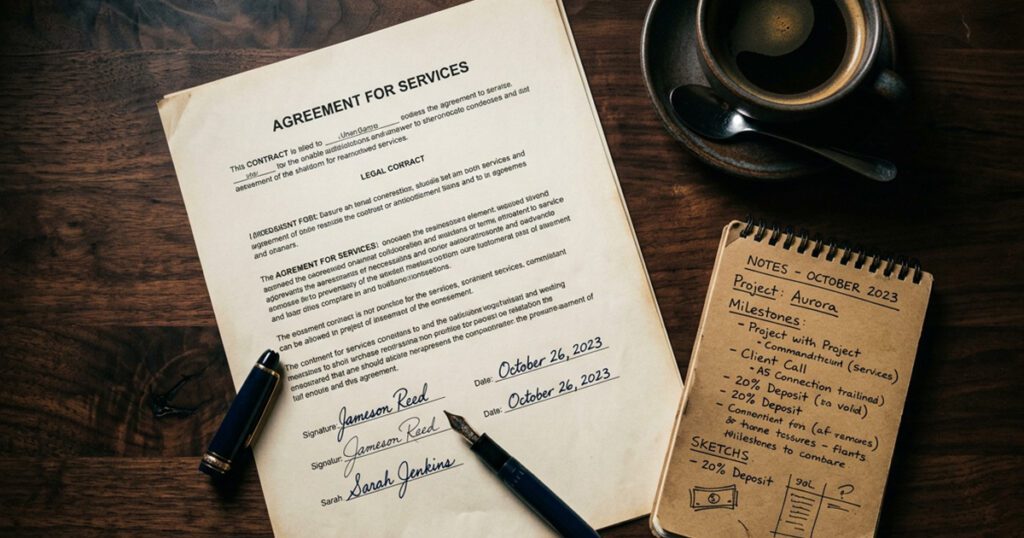
The mediated agreement is put in writing and signed by both parties. That written agreement is a legally binding contract with the same enforceability as any other signed business agreement. Alternative Law ensures all agreements are clear, specific, and legally sound before closing a session.
If a case involves pending EEOC charges or active litigation, the agreement can be structured to satisfy those proceedings as well — with guidance from Alternative Law’s mediators on applicable legal requirements.
The Bottom Line for Small Business Owners

Litigation is designed for parties who have the resources to outlast each other. Mediation is designed to reach fair results as efficiently as possible. For a small business, that distinction is often the difference between surviving a conflict and being consumed by it.
Alternative Law serves businesses from 2 to 5,000 employees across all 50 states. There are no travel charges for on-site sessions. Call 1.800.529.1516 or schedule a free, no-obligation consultation at alternativelaw.com.
Is mediation effective for very small businesses with just 2 or 3 people?
Yes — and it is often most critical for the smallest businesses. When a company has only 2 or 3 people, unresolved conflict affects every function simultaneously. Alternative Law specializes in small and family business mediation, and over 75% of its programs are specifically designed for smaller companies. Cases start at $1,000 with no retainer required for many engagements.
Does the other party have to agree to mediation for it to work?
Both parties must agree to participate, since mediation is voluntary. However, agreeing to one session carries no obligation to continue. Alternative Law finds that once both parties experience a structured first session, the large majority choose to continue — because they can see real resolution is achievable. The firm can also provide materials to help reluctant parties understand what the process actually involves.
How is mediation different from just hiring a lawyer?
A lawyer represents one side and advocates for that side’s position. A mediator is a neutral professional who helps both sides reach an agreement they both accept. Mediation is typically 35% to 65% cheaper than litigation, resolves in weeks rather than years, and keeps all proceedings confidential. Businesses can still work with their attorneys during mediation if they choose.
Can mediation handle employment disputes for small businesses?
Yes. Alternative Law mediates wrongful termination claims, harassment complaints, wage disputes, and workplace conflict for businesses of all sizes. Small businesses are particularly well-served by mediation in employment matters because employment lawsuits — even ones businesses win — average over $80,000 in defense costs and frequently take 2 or more years to resolve.
What is Alternative Law’s money-back guarantee?
Alternative Law offers a 100% money-back guarantee: if you are not satisfied after the first 3 sessions or 8 hours of mediation, you receive a full refund with no questions asked. No other mediation firm in the country offers this guarantee. It reflects Alternative Law’s confidence in its “Best Ideas Win” process and its 92%+ resolution rate.